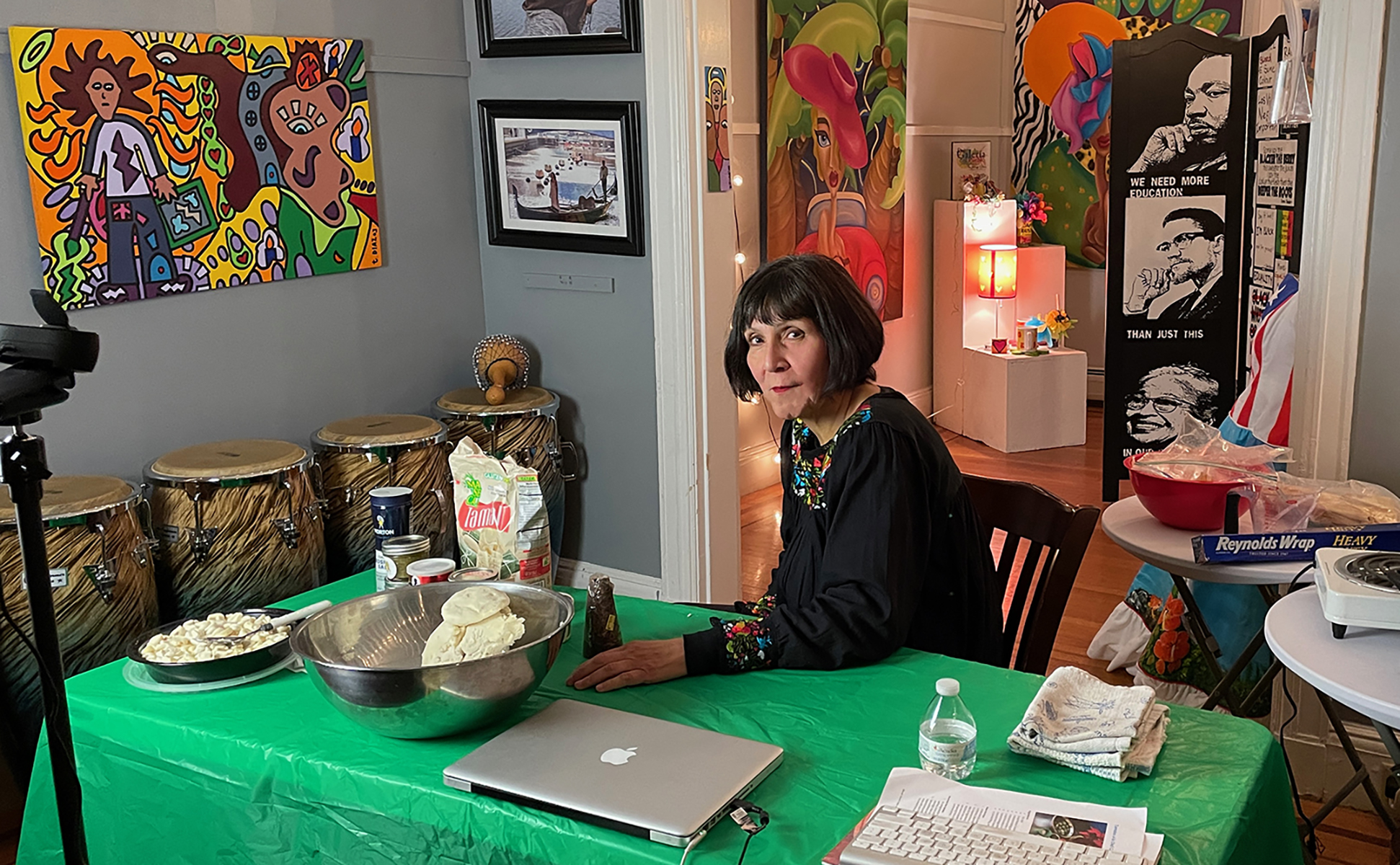
How La Broa' Began
La Broa’ began, as many of the most meaningful projects do, with a question.
I have spent much of my life collecting other people’s stories. Through oral history, I have sat with elders, workers, artists, immigrants, and families across Rhode Island, listening as they spoke about their lives—often for the first time. Over the years, I have come to understand something fundamental: if you don’t ask, the stories remain silent.
What I hadn’t fully realized was how true that was for me.
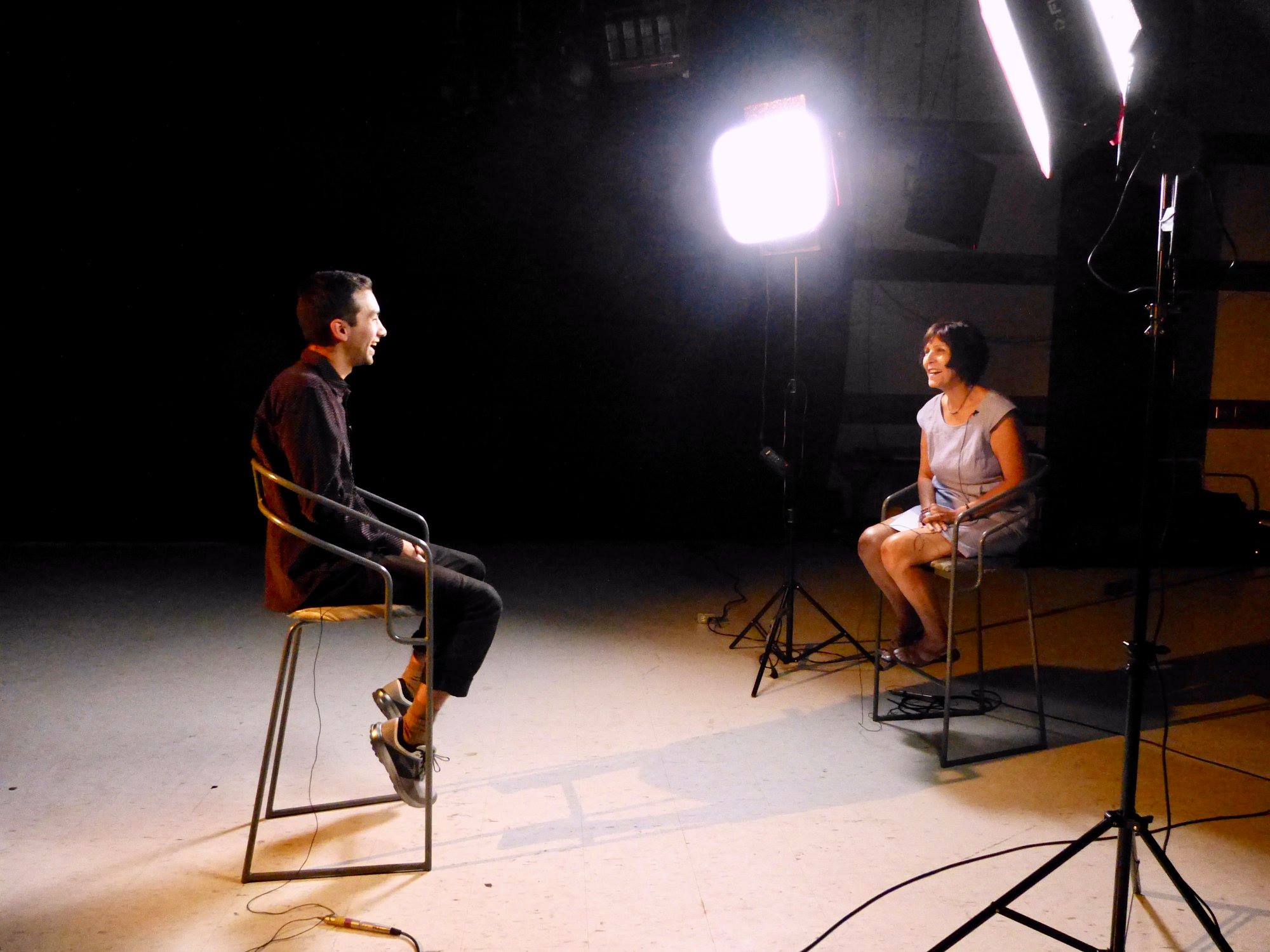
When I first met Orlando Hernández, it was through the arts. Orlando is an accomplished tap artist who later worked with Rhode Island Latino Arts for two years. During that time, he was introduced to my oral history practice—the interviews, the collections, and the long process of documenting Latino history in Rhode Island through lived experience rather than official records.
When the opportunity arose to create a script for a potential play at Trinity Repertory Company, I thought of Orlando. Not only because of his background as a performer, but because he is also a writer, trained to listen closely and shape narrative with care.
What Orlando did to begin that process was simple, but unexpected. He asked me to sit down for an interview.
No one had ever insisted that I tell my own story in that way. I had always been the one behind the recorder, guiding conversations, asking questions, and preserving the words of others. This time, I was the one being asked to pause, reflect, and speak.
Orlando listened. He recorded and he paid attention—not only to events and dates, but to the way memory connects place, language, family, and community. Through that conversation, my own life story began to intersect more clearly with the stories I had been collecting for years: the history of Broad Street, of storefronts and kitchens, of radio stations, theaters, protests, and everyday life.
That interview became the foundation for La Broa’.
The play did not emerge from a single archive or historical document. It grew out of lived experience—mine and that of the community—and out of the practice of listening. Without that conversation, there would be no script. Without someone willing to ask and sit still long enough to hear the answer, the story would not have taken this form.
La Broa’ is not a recreation of one life or one moment. It is a reflection of many lives woven together, grounded in place, and shaped by memory. It carries the voices of people who built community along Broad Street and beyond—people whose stories rarely appear in traditional histories, but whose presence has shaped Rhode Island in lasting ways.
During the Summer of 2026, La Broa’ returns to the community through Teatro en El Verano, and only then it comes full circle. The play is not only being performed for the neighborhood that inspired it—it belongs to it. It is a reminder that history lives in conversation, and that storytelling begins when someone takes the time to ask.
Teatro en El Verano runs during the month of July 2026. Dates and times will be announced in late Spring.I Mourn the Loss ➤